The Heart of Southern Comfort: What Are "Candied Yams"?
There are few dishes that evoke the warmth and nostalgia of a holiday table quite like a pan of glistening, caramelized "candied yams." For many, this iconic side dish isn't just food; it's a memory, a tradition, a sweet embrace from the heart of Southern cuisine. Imagine tender, golden rounds bathed in a rich, buttery, cinnamon-infused syrup, baked until every bite is melt-in-your-mouth delicious and perfectly caramelized. This dish is truly the definition of comfort food, a staple at Thanksgiving, Christmas, and countless family gatherings, embodying the very essence of soul food tradition.
But here's where the delicious confusion begins: what exactly are we candying? The term "candied yams" is ubiquitous in American kitchens, particularly in the South, yet more often than not, the star ingredient isn't a true yam at all. It's actually a sweet potato. This widespread culinary misnomer has become so ingrained that "candied yams" almost exclusively refers to a dish made with sweet potatoes in the United States. This article will delve into the delightful distinctions, helping you understand why sweet potatoes have become the unofficial queen of this beloved recipe and what difference it makes when you're whipping up a batch of this holiday perfection.
Unpacking the Roots: True Yams vs. Sweet Potatoes
The confusion between yams and sweet potatoes is one of the most common culinary mix-ups, especially in America. While often used interchangeably in recipes and grocery stores, they are botanically distinct vegetables with different origins, appearances, and culinary properties. Understanding these differences is key to appreciating why certain roots are preferred for specific dishes, like the classic "candied yams."
The Botanical Truth
Let's break down the core differences:
- Appearance:
- True Yams: These tubers boast a rough, dark brown, almost bark-like skin that can be challenging to peel. Their flesh varies widely, ranging from white or purple to reddish, and they can grow quite large, sometimes several feet long.
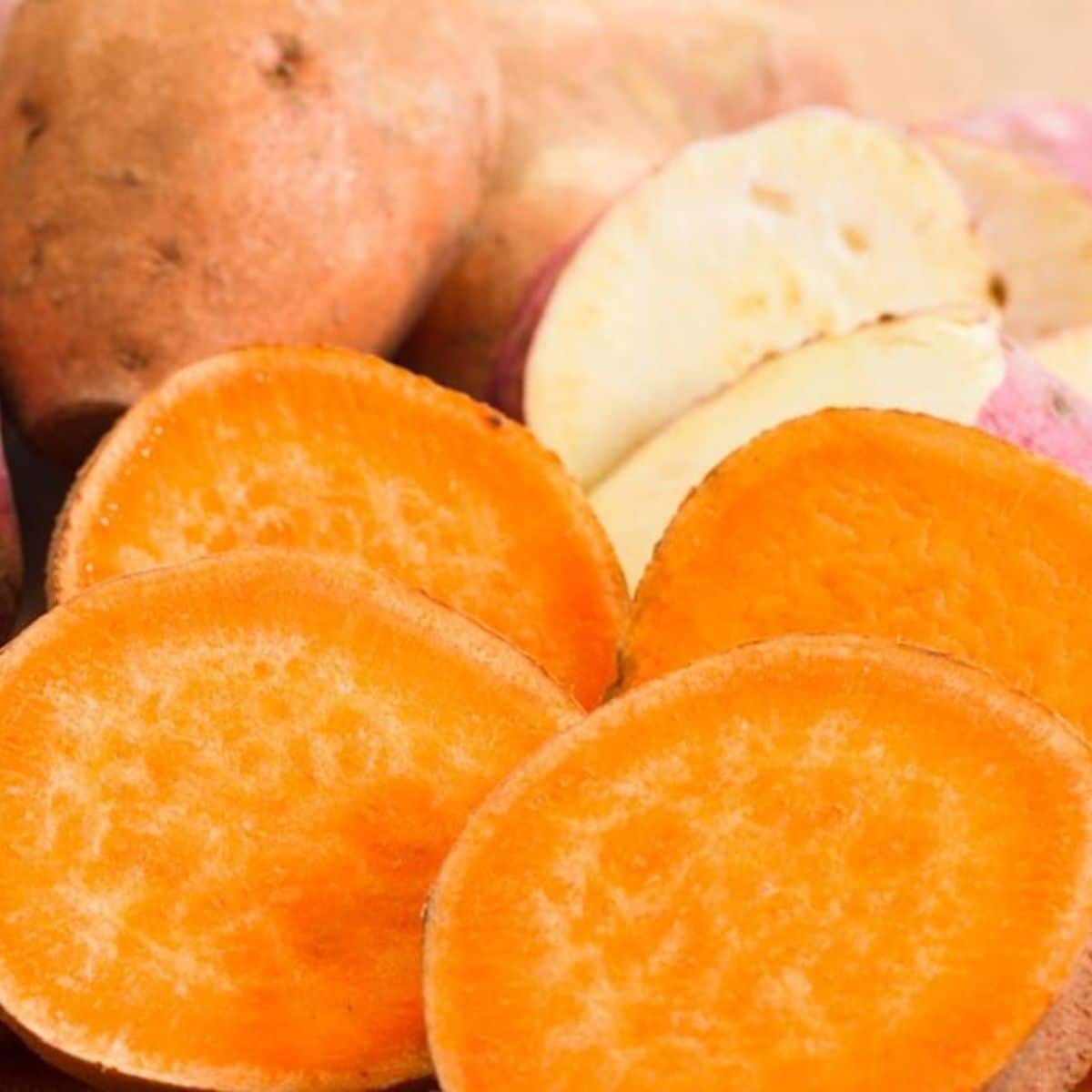
- Sweet Potatoes: In contrast, sweet potatoes typically have smoother, thinner skin that can be tan, orange, red, or even purple. Their flesh is commonly orange (the most popular variety for "candied yams"), but can also be white or yellow. They are generally smaller and more uniformly shaped than true yams.
- Origin:
- True Yams: Yams are native to Africa and Asia. They are a significant staple crop in many tropical regions worldwide.
- Sweet Potatoes: Sweet potatoes originated in Central and South America and are part of the morning glory family.
- Texture & Flavor (Cooked):
- True Yams: When cooked, true yams are typically starchier, drier, and less sweet than sweet potatoes, with a texture akin to a regular potato.
- Sweet Potatoes: Sweet potatoes are, as their name suggests, considerably sweeter and possess a much moister, softer texture when cooked. The popular orange-fleshed varieties are particularly creamy and sweet.
Why the Confusion Persists
The historical context behind this persistent mislabeling is fascinating. During the era of the transatlantic slave trade, enslaved Africans, familiar with the yams of their homeland, identified the orange-fleshed sweet potato varieties in the Americas as "yams" due to a superficial resemblance and perhaps a desire for a familiar name. This naming convention stuck, especially in the American South, and was later reinforced by agricultural marketing efforts. Today, virtually all "yams" found in U.S. supermarkets, particularly those destined for holiday dishes, are actually sweet potatoes. True yams are far less common in American grocery stores and are usually found in international or specialty markets.
Impact on Your Candied Dish: Baking with Yams vs. Sweet Potatoes
Given the distinct characteristics of true yams and sweet potatoes, their impact on a dish like "candied yams" is significant. For the classic, comforting recipe we all know and love, sweet potatoes consistently deliver superior results.
Sweet Potatoes for Candied Dishes
Sweet potatoes are undeniably the champions when it comes to crafting the perfect "candied yams." Here's why they are the preferred choice for this Southern classic:
- Natural Sweetness: Sweet potatoes possess a high natural sugar content, which means less added sugar is needed in the glaze to achieve that signature sweetness. This intrinsic sweetness also deepens and concentrates during baking, contributing to a richer flavor profile.
- Moisture Content and Texture: Their high moisture content ensures a tender, creamy, and "melt-in-your-mouth" texture when cooked. This contrasts sharply with the drier nature of true yams. The sweet potato's softer flesh readily absorbs the buttery, sugary glaze, becoming infused with flavor and achieving a beautiful, yielding consistency.
- Caramelization: The natural sugars in sweet potatoes, combined with the sugars in the glaze, caramelize beautifully in the oven, creating that irresistible golden-brown crust and syrupy bottom that is the hallmark of well-made candied "yams."
- Availability and Consistency: Sweet potatoes are readily available in most grocery stores across the U.S., offering consistent quality and varieties perfect for baking. Opt for fresh, firm sweet potatoes over canned ones; fresh tubers provide superior flavor, texture, and the ability to absorb the glaze more effectively.
To achieve the best results, always cut your sweet potatoes into similar-sized pieces. This ensures they cook evenly, preventing some pieces from becoming mushy while others remain firm. That luscious, syrupy glaze that pools at the bottom of the pan is liquid gold – be sure to spoon it over every serving, or even drizzle it on your cornbread for an extra touch of Southern deliciousness!
True Yams for Candied Dishes (If You Can Find Them)
While sweet potatoes are the standard, it's theoretically possible to make a candied dish with true yams. However, the outcome would be notably different:
- Drier, Starchier Texture: True yams are much starchier and drier. If used in a "candied yams" recipe, you would likely need to significantly increase the amount of butter and liquid in the glaze to prevent the dish from turning out dry and pasty.
- Less Natural Sweetness: Their lower natural sugar content means you'd need to add more sugar to the glaze to achieve a comparable level of sweetness, potentially resulting in a dish that tastes more of added sugar than of the vegetable itself.
- Different Flavor Profile: The flavor would be more earthy and potato-like, lacking the vibrant, sweet notes that sweet potatoes bring to the dish.
- Cooking Time: True yams might require a longer cooking time to reach an acceptable level of tenderness due to their denser, starchier composition.
In conclusion, while true yams are a staple in many cuisines globally, their properties make them less suitable for the sweet, moist, and caramelized profile expected of the classic American "candied yams." For that beloved taste and texture, sweet potatoes are undoubtedly the way to go.
Crafting the Perfect Candied Dish: Tips for Success
Whether you call them candied yams or candied sweet potatoes, creating this comforting side dish is an art form rooted in simple techniques and quality ingredients. Here are some essential tips to ensure your creation is a showstopper.
Ingredient Focus
- Fresh Sweet Potatoes: This is non-negotiable for the best results. Fresh sweet potatoes offer a superior flavor and texture that canned versions simply cannot replicate. Look for firm, unblemished tubers.
- Quality Glaze Ingredients: The magic happens in the glaze. Use real butter for richness, brown sugar for its molasses notes and depth of flavor, and pure vanilla extract. Some recipes also benefit from a touch of orange zest or a splash of orange juice for brightness.
- Spices are Key: A blend of warm spices like cinnamon and nutmeg is fundamental. Don't be shy; these spices complement the sweetness of the potatoes beautifully and add that quintessential holiday aroma. A tiny pinch of allspice or ground ginger can also elevate the flavor profile.
Preparation Techniques
- Uniform Cuts: Consistency is crucial for even cooking. Cut your sweet potatoes into similar-sized rounds or chunks, typically about 1/2 to 3/4 inch thick. This ensures every piece becomes tender at the same rate.
- Building the Glaze: Many recipes start by melting butter with brown sugar and spices on the stovetop to create the initial syrupy base. This allows the flavors to meld before the sweet potatoes are added. For a slightly lighter version, you can reduce the amount of butter or sugar, relying more on the sweet potatoes' natural sugars.
- Baking to Perfection: The oven is where the alchemy truly happens. Baking at a moderate temperature allows the sweet potatoes to slowly tenderize and the glaze to thicken and caramelize without burning. Covered baking helps steam the potatoes initially, ensuring tenderness, while uncovering them towards the end creates that glorious, sticky crust. Bake until the sweet potatoes are fork-tender and the glaze is bubbly and richly colored.
- Don't Waste the Glaze: That luscious, syrupy glaze that settles at the bottom of the pan is part of the allure. Make sure to spoon it generously over individual servings. As a bonus tip from Southern tradition: it's also incredible drizzled over cornbread or even biscuits!
Beyond the Basics: Serving and Enjoying Your Candied Creation
Candied "yams" are more than just a side dish; they are a culinary celebration, deeply rooted in Southern hospitality and tradition. While they are a non-negotiable presence at Thanksgiving and Christmas tables, their comforting sweetness makes them suitable for any occasion that calls for a touch of warmth and joy. From Sunday dinners to potlucks, this dish is a crowd-pleaser that evokes feelings of home and togetherness.
They pair beautifully with a variety of savory main courses, balancing rich meats like roasted turkey, ham, or fried chicken with their sweet, spiced notes. The beauty of this dish lies in its versatility—it can almost straddle the line between a side and a dessert, leaving a lasting impression on everyone who tastes it.
For a tried-and-true recipe that captures that perfect balance of sweetness and spice, check out our guide on
Easy Southern Candied Yams: Sweet & Buttery Holiday Perfection. If you're looking for that authentic, soulful experience passed down through generations, don't miss our
Soul Food Candied Yams: A Comforting Southern Holiday Classic. These resources will guide you through perfecting this beloved dish, ensuring your candied creation brings warmth and joy to your table.
Conclusion
Ultimately, when you reach for ingredients to make "candied yams" for baking, you're almost certainly reaching for sweet potatoes. This beloved Southern classic, with its tender, caramelized sweetness and buttery, spiced glaze, is perfectly suited to the natural properties of the sweet potato. While true yams and sweet potatoes are distinct botanical entities, it's the sweet potato that delivers the moist, flavorful, and melt-in-your-mouth experience synonymous with this cherished holiday dish. Embracing this delicious truth allows us to appreciate the dish for what it is: a culinary hug, a timeless tradition, and a testament to the power of simple ingredients transformed into something extraordinary. So go ahead, bake up a batch of those glorious "candied yams" (made with sweet potatoes, of course), and savor every sweet, comforting bite.